Find Lab Created Heart Shaped Ring for Wedding, Gift, Decoration
Source 30 Lab Created Heart Shaped Ring options from verified suppliers. Compare stainless steel and alloy materials, electroplating finishes, and customization services for wedding, gift, and decoration uses.
Key considerations
Products List
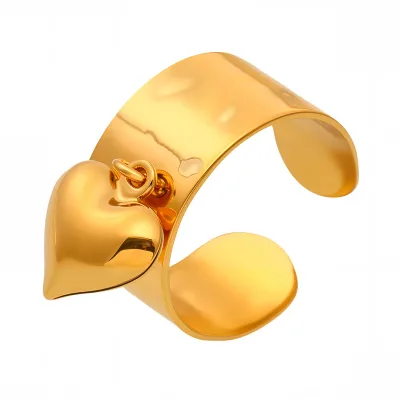


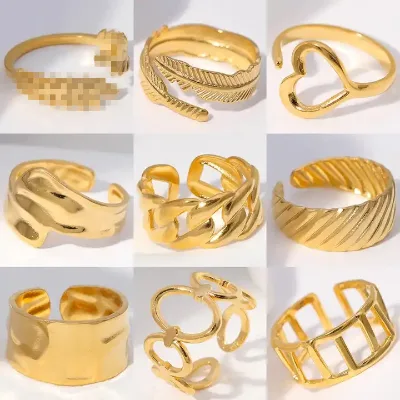
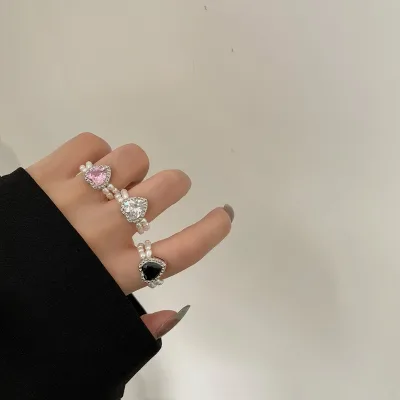


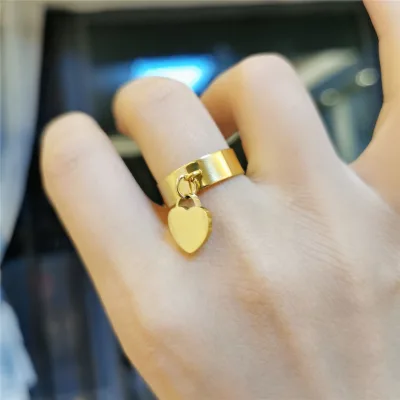
Comprehensive Sourcing Guide
Strategic Sourcing Guide for Lab-Created Heart-Shaped Rings
Understanding Product Specifications and Material Variability
When sourcing lab-created heart-shaped rings, buyers must first navigate the complex landscape of material definitions and technical specifications. The term "lab-created" in the jewelry sector often refers to the origin of the gemstones rather than the metal band itself, yet the base material significantly influences durability, cost, and finish. Based on available market data, the primary metal options observed include stainless steel and various alloy compositions. Stainless steel is frequently highlighted for its high purity, often cited as over 90%, and its inherent scratch resistance. This material is particularly suitable for buyers prioritizing longevity and hypoallergenic properties, as it is typically nickel-free and safe for sensitive skin.
In contrast, other listings indicate the use of general alloys, which may vary in composition and cost. A critical distinction in the supply chain is the metal purity standard. While some products adhere to a 92.5% purity standard, indicative of sterling silver, others may utilize lower-grade alloys depending on the specific design and price point. The heart shape itself is a specific geometric requirement that demands precision in fabrication. The observed product models, such as K-R1126 and AVA1617, demonstrate that manufacturers offer this shape in both fixed sizes (e.g., 9#) and adjustable or open sizes (ranging from 5-13 US sizes). The "open size" or adjustable feature is a significant technical specification for B2B buyers targeting a universal customer base, as it reduces the need for multiple SKUs to cover different finger sizes.
The inlay technology used for the lab-created stones also varies. While some products specify "Other" for inlay technology, others explicitly mention the use of cubic zirconia as the accessory material. The processing methods observed include electroplating for surface finish and casting for the initial formation of the metal structure. The electroplating process is crucial for achieving the desired aesthetic, such as the mirror polishing that provides a long-lasting shine and anti-tarnish properties. Buyers must verify if the plating thickness meets their quality expectations, as this directly impacts the ring's resistance to fading over time. The heart-shaped design is often categorized under "fashion" or "creative" styles, but the underlying structural integrity relies heavily on the chosen fabrication process and material purity.
Compliance, Certification, and Quality Verification
In the B2B jewelry sector, compliance and certification are not merely formalities but essential risk mitigation strategies. When sourcing heart-shaped rings, particularly those marketed for weddings, engagements, or gifts, verifying the authenticity of claims regarding material safety and origin is paramount. The supply chain data indicates that some products carry a "Third Party Appraisal" certificate type. This suggests that independent verification of the product's characteristics, such as metal purity or stone quality, is available for certain models. However, the presence of such a certificate should not be assumed for all listings; it is a specific attribute of certain high-confidence products rather than a universal standard for the entire category.
Buyers must rigorously check for skin-friendly properties, especially given the prevalence of metal allergies in the general population. The data highlights specific attributes such as "Nickel-Free" and "Hypoallergenic for Sensitive Skin" as key selling points for stainless steel variants. These claims require verification through material safety data sheets or third-party testing reports to ensure they are not merely marketing assertions. Furthermore, the origin of the products is a critical compliance factor. The observed data points to origins in China, specifically regions like Yiwu, Zhejiang, and Guangdong. While these are established manufacturing hubs, buyers should verify the specific factory certifications and labor standards associated with the production location to ensure ethical sourcing practices.
The standardization of product weights and dimensions is another area requiring attention. The observed data lists specific weight standards, such as 17g and 5.2g, which serve as benchmarks for quality control. A deviation from these weights could indicate inconsistencies in material density or manufacturing defects. Similarly, the size standards, ranging from 9# to 6-9, must be strictly adhered to. Buyers should request detailed size charts and tolerance levels from suppliers to ensure that the "adjustable" or "open size" claims are accurate and functional. Without these verifications, the risk of high return rates due to sizing issues or material dissatisfaction increases significantly.
Cost Drivers and Pricing Dynamics
The pricing structure for lab-created heart-shaped rings is influenced by a multitude of factors, including material costs, processing complexity, and customization requirements. The observed price range in the market is exceptionally wide, spanning from $0.42 to $1,311. This vast disparity indicates that the category encompasses everything from low-cost fashion accessories to high-end luxury items. The lower end of the spectrum is typically driven by the use of alloy materials and standard electroplating processes. These products often feature cubic zirconia inlays and are packaged in simple OPP or PP bags. The cost efficiency here is derived from mass production techniques and the use of less expensive base metals.
Conversely, the higher price points are associated with superior material purity, such as the 92.5% sterling silver standard, and more intricate design elements. The "Mirror Polishing" and "Anti-Tarnish" surface treatments add value but also increase production costs. Additionally, customization services, such as engraving and specific size adjustments, act as significant cost drivers. The ability to offer personalized options like engravings for wedding or anniversary gifts commands a premium. The weight of the ring is also a direct cost factor; a 17g ring will inherently cost more than a 5.2g ring due to the higher volume of precious or semi-precious metal used.
Buyers must also consider the packaging and logistics costs. While some products come in eco-friendly PVC bags or OPP bags, others may require more elaborate packaging to meet specific retail standards. The origin location, such as Yiwu or Guangdong, influences shipping costs and lead times, which indirectly affects the final landed cost. It is crucial for buyers to analyze the total cost of ownership rather than just the unit price. A lower unit price might be offset by higher defect rates, longer lead times, or the need for additional quality control inspections. Understanding these cost drivers allows buyers to negotiate more effectively and select suppliers that offer the best value proposition for their specific market segment.
Typical Applications and Market Segmentation
The heart-shaped ring is a versatile product with applications spanning multiple market segments, from everyday fashion to significant life events. The observed usage data highlights "Wedding," "Decoration," "Gift," "Anniversary," and "Engagement" as primary use cases. This versatility makes the product suitable for a wide range of B2B clients, including jewelry retailers, corporate gift suppliers, and e-commerce platforms. The "Daily Wear," "Casual," and "Business" wear scenarios indicate that these rings are designed for practicality as well as aesthetics, appealing to consumers who value durability and style in their daily accessories.
The gender segmentation also plays a crucial role in product selection. While some listings specify "Male" or "Female," others are marked as "Unisex" or "Universal." This flexibility is particularly important for suppliers targeting a broad consumer base or those looking to simplify their inventory. The "Creative" and "Fashion" design attributes suggest that these rings are often purchased as statement pieces or trendy accessories rather than traditional heirlooms. However, the inclusion of "Wedding" and "Engagement" in the usage list indicates that they also serve as affordable alternatives to traditional diamond rings for budget-conscious couples or as complementary gifts.
The customization aspect further expands the application scope. The ability to offer engraving and size adjustments makes these rings ideal for corporate gifting, promotional events, and personalized wedding favors. The "Open Size" feature is particularly advantageous for gift-giving scenarios where the recipient's exact size is unknown. Buyers should align their product selection with their target customer's needs. For instance, a retailer focusing on high-end bridal markets may prioritize rings with higher purity standards and third-party appraisals, while a fashion accessory store might focus on the affordable, alloy-based options with vibrant finishes.
Supplier Evaluation and Selection Criteria
Selecting the right supplier for lab-created heart-shaped rings requires a multi-faceted evaluation process that goes beyond price comparison. Buyers should prioritize suppliers who demonstrate transparency in their material specifications and manufacturing processes. The presence of specific product models, such as K-R1126, AVA1617, and A16RG0039, suggests that established suppliers have a catalog of proven designs. However, buyers must verify that the supplier can consistently deliver on the specific attributes observed, such as the 90%+ stainless steel purity or the 92.5% silver standard.
The location of the supplier is another critical factor. The data indicates that manufacturers are concentrated in China, specifically in Yiwu, Zhejiang, and Guangdong. These regions are known for their jewelry manufacturing capabilities, but buyers should assess the specific factory's capacity, quality control infrastructure, and ethical compliance. Suppliers offering "Third Party Appraisal" certificates are generally more reliable, as they are willing to subject their products to external verification. Additionally, the availability of customization services, such as engraving and size adjustments, is a key differentiator. Buyers should confirm the supplier's ability to handle custom orders efficiently without compromising on quality or lead times.
Packaging standards also serve as an indicator of supplier professionalism. The observed packaging ranges from simple PP and OPP bags to eco-friendly PVC options. A supplier that offers customizable or premium packaging options is better equipped to meet the branding needs of B2B clients. Finally, buyers should evaluate the supplier's communication and responsiveness. Clear documentation of product standards, such as weight (17g vs. 5.2g) and size ranges (6-9), is essential for smooth order processing. A supplier that provides detailed technical specifications and is willing to share test results or certification documents is a safer partner for long-term collaboration.
Quality Control and Long-Term Procurement Considerations
Maintaining consistent quality is the cornerstone of successful long-term procurement in the jewelry sector. For lab-created heart-shaped rings, quality control must focus on the integrity of the metal, the durability of the plating, and the security of the stone inlays. The "Mirror Polishing" and "Anti-Tarnish" claims require rigorous testing to ensure they hold up over time. Buyers should implement a quality control protocol that includes random sampling and stress testing of the rings, particularly focusing on the electroplating layer and the setting of the cubic zirconia or other inlays.
The variability in material purity, from 90% stainless steel to 92.5% silver, necessitates a clear definition of quality standards for each order. Buyers must specify the exact material requirements in their purchase orders to avoid receiving substandard goods. The "Nickel-Free" and "Hypoallergenic" properties are critical for customer satisfaction and should be verified through regular testing. Additionally, the sizing accuracy is a common source of returns; therefore, buyers should insist on precise size measurements and tolerance levels, especially for "adjustable" or "open size" rings.
Long-term procurement considerations also involve building a resilient supply chain. Relying on a single supplier can be risky, so buyers should consider diversifying their sourcing across different manufacturers in Yiwu and Guangdong. This strategy helps mitigate the impact of potential disruptions in production or logistics. Furthermore, buyers should establish clear communication channels with suppliers to address any quality issues promptly. Regular audits and performance reviews can help maintain high standards and foster a collaborative relationship. By focusing on these quality control measures and strategic planning, buyers can ensure a steady supply of high-quality lab-created heart-shaped rings that meet the demands of their customers.
Comparative Analysis of Product Attributes
To facilitate informed decision-making, the following table summarizes the key attributes observed in the market for lab-created heart-shaped rings. This comparison highlights the variations in material, processing, and specifications that buyers should consider when evaluating potential suppliers.
| Attribute Category | Observation A (Stainless Steel Variant) | Observation B (Alloy/Silver Variant) | Observation C (Custom/Universal Variant) |
|---|---|---|---|
| Material | Stainless Steel (Purity >90%) | Alloy / 92.5% Silver | Alloy / Mixed Materials |
| Processing | Electroplating, Mirror Polishing | Casting, Inlay Technology | Casting, Custom Engraving |
| Size Standard | 7# Adjustable (5-13 US) | 9# Fixed | Open Size (6-9) |
| Weight Standard | 17g | 5.2g | Variable |
| Surface Finish | Anti-Tarnish, Long-Lasting Shine | Standard Plating | Custom Finish |
| Skin Safety | Nickel-Free, Hypoallergenic | Varies | Varies |
| Packaging | PP Bag | OPP Bag | Eco-Friendly PVC / OPP |
| Certification | Third Party Appraisal (Optional) | Standard | Third Party Appraisal |
| Origin | China (Guangdong/Zhejiang) | China (Yiwu) | China (Guangdong) |
This table underscores the importance of matching specific product attributes to buyer requirements. Whether the priority is hypoallergenic safety, precise sizing, or cost efficiency, the data provides a clear framework for selection. Buyers should use this comparative analysis to align their procurement strategy with the specific needs of their target market, ensuring that the final product meets both quality expectations and commercial goals.
FAQs
What materials are used for lab created heart shaped rings?
Stainless steel and alloy are the primary materials used for these rings. Stainless steel variants often feature over 90% purity and are nickel-free, while other options may use cubic zirconia inlays with varying metal compositions.
Which sizes are available for adjustable lab created heart shaped rings?
Adjustable sizes typically range from 5 to 13 US sizes, with some fixed options like 7# or 9#. Open size designs are also available to accommodate universal fit requirements for different customers without needing multiple SKUs.
Can buyers find third party appraisal certificates for these rings?
Yes, some specific product models include third party appraisal certificates for verification. This certification is not universal for all listings but is available for certain high-confidence products to ensure metal purity and stone quality.
How does customization service work for lab created heart shaped rings?
Customization services include engraving and size adjustments ranging from 5 to 13 US sizes. Buyers can request these specific modifications to meet unique gift or wedding requirements, though lead times may vary based on supplier capacity.
What packaging options are standard for lab created heart shaped rings?
Standard packaging includes PP bags, OPP bags, and eco-friendly PVC bags. Some suppliers offer inner packing variations, but the specific type depends on the manufacturer and the chosen product model from the catalog.
Which locations are the main sources for lab created heart shaped rings?
Manufacturers are primarily located in China, specifically in Yiwu, Zhejiang, and Guangdong. These regions are established hubs for jewelry production, offering various processing methods like casting and electroplating for the final finish.